
Chalet vs Chateau helps travelers in Europe make better decisions when choosing a place to stay by understanding the unique features of these two French property types. During planning a trip, many visitors feel unsure because these names can sometimes confuse them. Although both words describe beautiful places, their definitions reveal clear differences in design, purpose, and atmosphere. These words became part of the English vocabulary, allowing people to describe different styles of European properties with more accuracy.
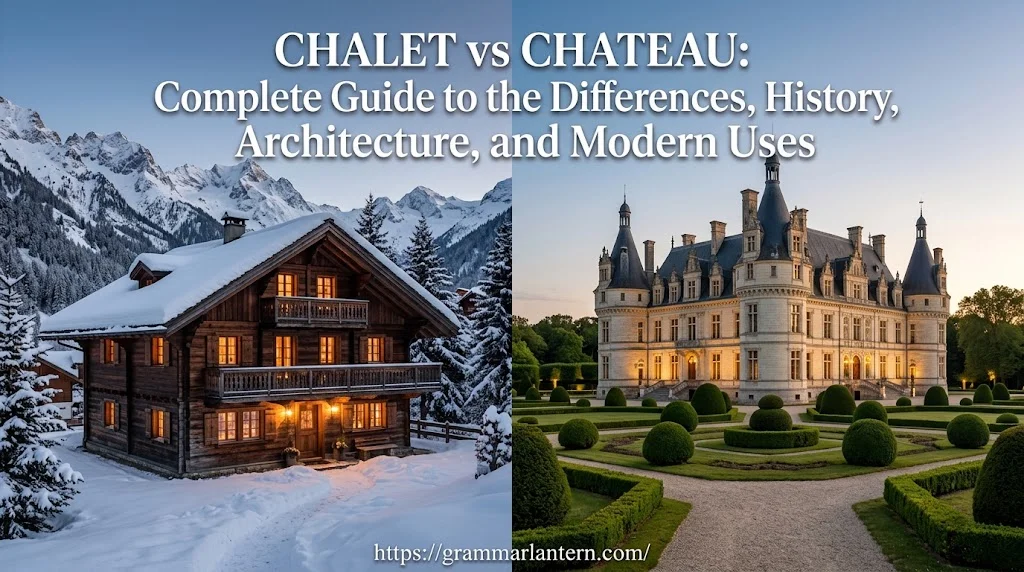
A Chalet is a charming traditional wooden house or cottage that is commonly found in alpine areas. It usually includes overhanging eaves and a sloping roof, which help protect the structure from heavy snowfall.A Chateau, in comparison, represents a more impressive and historic type of property. It is usually a large country house or castle featuring elaborate architecture and carefully designed gardens.
By understanding these two types of places, travelers can find it easier to choose the right experience for their journey. A Chalet provides a cozy mountain retreat surrounded by natural beauty, while a Chateau offers a magnificent French estate filled with sophistication and historical charm. Knowing the distinction helps people select a property that matches their travel style and expectations.
Quick Answer
A chalet is a traditional Alpine mountain home originally built by farmers and herders in regions such as Switzerland and France. It typically features wooden construction, steep roofs, balconies, and a cozy design created to withstand cold mountain weather.
A chateau is a large French estate, manor house, or castle-like residence that historically belonged to wealthy families, nobles, or royalty. It is usually built from stone and includes grand rooms, formal gardens, and impressive architectural details.
The simplest way to remember the difference:
| Feature | Chalet | Chateau |
| Origin | Swiss Alps and Alpine regions | France |
| Original purpose | Farmhouse and mountain shelter | Noble residence or estate |
| Main material | Wood | Stone |
| Size | Small to medium | Large and expansive |
| Style | Rustic and cozy | Elegant and historic |
| Common location | Mountains | Countryside and estates |
| Modern use | Ski homes and vacation retreats | Hotels, museums, luxury homes |
In short, a chalet feels like a warm mountain escape, while a chateau feels like a journey into history.
What Is a Chalet?
A chalet is a traditional wooden house associated with the Alpine regions of Europe. The word originally referred to seasonal shelters used by farmers who moved their cattle to higher mountain pastures during warmer months.
These early chalets were practical buildings rather than luxury homes. They provided protection from harsh weather conditions and served as places where farmers could make and store dairy products, especially cheese.
Over time, travelers discovered the beauty of Alpine villages. The simple mountain shelters evolved into charming vacation homes, ski lodges, and luxury retreats.
Today, when most people hear “chalet,” they usually think of a stylish mountain property with fireplaces, large windows, and spectacular views.
History of Chalets
Traditional chalets developed mainly in the Swiss Alps, although similar structures appeared in nearby areas of France, Austria, and Italy.
Mountain life required homes that could handle extreme weather. Heavy snowfall, freezing temperatures, and strong winds influenced every part of chalet design.
Builders used locally available materials, especially wood. Timber provided natural insulation and helped keep interiors warm during long winters.
Traditional chalet features included:
- Thick wooden walls for protection against cold temperatures.
- Large roof overhangs to prevent snow from damaging walls.
- Raised foundations to reduce moisture problems.
- Storage areas for farming tools and food supplies.
- Balconies used for drying crops and storing materials.
A chalet was designed around survival and practicality. Modern chalets maintain many of these features but combine them with luxury elements such as heated floors, modern kitchens, and panoramic windows.
Read More: Traunch vs Tranche: What’s the Difference?
Traditional Chalet Architecture
The architecture of a chalet reflects its mountain environment.
One of the most recognizable features is the steep sloping roof. Snow can accumulate quickly in Alpine regions, and a steep roof allows it to slide away naturally.
Another important feature is the extensive use of wood. Exposed beams, wooden walls, and natural finishes create the warm atmosphere that people associate with chalet interiors.
Common chalet architectural features include:
| Chalet Feature | Why It Matters |
| Wooden structure | Provides insulation and a natural appearance |
| Sloped roof | Helps manage heavy snowfall |
| Wide balconies | Offers outdoor space and mountain views |
| Large windows | Maximizes sunlight and scenery |
| Stone fireplaces | Provides warmth and creates a cozy atmosphere |
Modern architects often combine traditional chalet designs with contemporary elements. For example, a luxury chalet may include glass walls overlooking mountains while still using classic wooden interiors.
What Is a Chateau?
A chateau is a large French residence that can mean a castle, manor house, or country estate depending on its historical context.
Unlike a chalet, which developed from rural mountain life, a chateau developed from wealth, land ownership, and social status.
Many chateaus were built for French nobles who wanted impressive homes that displayed their power and influence. Some served defensive purposes during medieval times, while others became elegant residences during the Renaissance period.
Not every chateau was a fortress. Many were peaceful country homes surrounded by vineyards, forests, and carefully designed gardens.
History of Chateaus
The history of chateaus stretches back many centuries.
During the medieval period, some chateaus functioned as fortified castles. Their thick walls, towers, and defensive structures protected important families and territories.
Later, during the Renaissance and early modern periods, many chateaus changed from military buildings into luxurious residences.
Owners focused less on defense and more on beauty, comfort, and entertainment.
Important developments in chateau history include:
- Medieval chateaus built for protection.
- Renaissance chateaus designed for elegance.
- Estate chateaus connected with agriculture and vineyards.
- Modern restored chateaus used as hotels and event venues.
Some famous examples include Château de Versailles, which became one of the world’s most famous royal residences, and Château de Chambord, known for its Renaissance architecture.
Chateau Architecture
Chateau architecture focuses on scale, elegance, and historical character.
Unlike chalets, which prioritize warmth and practicality, chateaus emphasize grandeur.
Typical features include:
- Massive stone walls.
- Decorative towers and turrets.
- Large entrance halls.
- High ceilings.
- Formal gardens.
- Elaborate staircases.
- Decorative artwork and sculptures.
A chateau often tells a story through its architecture. Every room, staircase, and garden design reflects the period when it was built.
| Chateau Feature | Purpose |
| Stone walls | Strength and long-lasting construction |
| Towers | Historical defensive influence |
| Large halls | Hosting guests and ceremonies |
| Gardens | Displaying beauty and wealth |
| Decorative interiors | Showing craftsmanship and status |
Key Differences Explained
Although both buildings represent European architectural traditions, their identities are very different.
Difference in Origin
The biggest difference between a chalet and a chateau comes from their beginnings.
A chalet came from the needs of mountain communities. It was practical, simple, and designed for survival.
A chateau came from wealth and influence. It represented ownership, power, and social position.
Difference in Location
The surrounding environment plays a major role in each building style.
Chalets are usually found in:
- Alpine mountains.
- Ski resorts.
- Forested landscapes.
- Mountain villages.
Chateaus are commonly located in:
- French countryside.
- Vineyards.
- Large private estates.
- Historic towns.
A chalet blends into nature, while a chateau often dominates its landscape.
Difference in Size
Size is another major distinction.
A traditional chalet might contain a few bedrooms and shared living areas. Modern luxury chalets can become large properties, but they usually maintain a private and comfortable atmosphere.
Chateaus are often much larger. Many include:
- Dozens of rooms.
- Multiple floors.
- Guest houses.
- Gardens.
- Agricultural land.
Some historic chateaus cover hundreds of acres.
Difference in Materials
The materials reveal the purpose behind each structure.
| Category | Chalet | Chateau |
| Primary material | Timber | Stone |
| Design goal | Comfort and warmth | Strength and prestige |
| Appearance | Natural and rustic | Formal and impressive |
| Connection | Mountains and nature | History and culture |
Chalet vs Chateau Interior Design Differences
The inside of these buildings reflects their different personalities.
Chalet Interior Design
A chalet interior focuses on comfort.
Typical features include:
- Wooden ceilings.
- Stone fireplaces.
- Soft lighting.
- Wool blankets.
- Rustic furniture.
- Natural textures.
The goal is to create a relaxing environment where people feel connected to the surrounding landscape.
Imagine sitting beside a fireplace after skiing all day, drinking hot chocolate while snow falls outside. That feeling represents chalet design.
Read More: Secretaries or Secretary’s or Secretaries’? An Easy Guide
Chateau Interior Design
Chateau interiors create a completely different experience.
Common elements include:
- Antique furniture.
- Large paintings.
- Crystal chandeliers.
- Decorative ceilings.
- Marble floors.
- Formal dining rooms.
The design communicates history and elegance.
A chateau does not simply provide shelter. It creates an atmosphere.
| Interior Element | Chalet | Chateau |
| Feeling | Warm and relaxed | Grand and formal |
| Furniture | Rustic wood | Antique pieces |
| Lighting | Soft and cozy | Decorative and dramatic |
| Main purpose | Comfort | Impressiveness |
Modern Uses
Both buildings have adapted to modern lifestyles.
How Chalets Are Used Today
Modern chalets are popular among travelers and luxury homeowners.
Common uses include:
- Ski vacation rentals.
- Mountain holiday homes.
- Private retreats.
- Eco-friendly accommodations.
Luxury chalets often include:
- Indoor pools.
- Saunas.
- Home theaters.
- Smart home systems.
- Private chefs.
The appeal comes from combining nature with comfort.
How Chateaus Are Used Today
Many historic chateaus have been transformed into modern businesses and residences.
Common uses include:
- Luxury hotels.
- Wedding venues.
- Museums.
- Wine estates.
- Private homes.
However, maintaining a chateau can be expensive. Historic buildings require specialized repairs and regular preservation work.
Which One Costs More?
The cost depends on many factors, including location, size, history, and condition.
A luxury chalet in the Swiss Alps can easily cost several million dollars because mountain land is limited and highly desirable.
A historic chateau can also cost millions, but ownership often includes major restoration responsibilities.
| Cost Factor | Chalet | Chateau |
| Purchase price | High in popular mountain areas | Often very high due to size and history |
| Maintenance | Moderate to high | Extremely high |
| Renovation | Usually simpler | Complex and expensive |
| Land requirements | Smaller | Large estates |
Owning a chalet is often about lifestyle. Owning a chateau is often about preserving history.
Which One Should You Choose?
The right choice depends on the experience you want.
Choose a chalet if you prefer:
- Mountain views.
- Outdoor adventures.
- A peaceful atmosphere.
- A cozy home environment.
- Skiing and hiking.
Choose a chateau if you prefer:
- Historic architecture.
- Large spaces.
- Formal entertaining.
- Estate living.
- Cultural connections.
| Your Preference | Best Choice |
| Snowy mountains | Chalet |
| Historic buildings | Chateau |
| Cozy evenings | Chalet |
| Luxury events | Chateau |
| Nature lifestyle | Chalet |
| Grand estate living | Chateau |
FAQs
1. What is the main difference between a Chalet and a Chateau?
The main difference is their style, location, and purpose. A Chalet is usually a cozy mountain home made from wood, while a Chateau is a large and elegant French estate or castle with historical and architectural value.
2. Is a Chalet only found in Europe?
No, a Chalet is not limited to Europe, but it is strongly connected with European alpine regions, especially areas known for skiing and mountain tourism. Similar wooden homes can also be found in other mountainous parts of the world.
3. What does the word Chateau mean?
A Chateau refers to a large French country house, castle, or estate. It often includes impressive architecture, spacious rooms, gardens, and a connection to history or luxury living.
4. Are Chalets always made of wood?
Traditionally, Chalets are wooden houses with features like sloping roofs and wide eaves. Modern versions may use different materials, but they still maintain the traditional mountain-home design.
5. Can people stay in a Chateau during a trip?
Yes, many Chateaux have been converted into hotels, guest houses, or luxury accommodations. Travelers can experience historic buildings while enjoying modern facilities.
6. Why are Chalets associated with skiing?
Chalets are commonly located in mountainous regions near ski resorts. Their warm interiors and location near snowy landscapes make them popular choices for skiing holidays.
7. Are Chateaux more expensive than Chalets?
In many cases, Chateaux can be more expensive because of their size, history, architecture, and luxury features. However, prices depend on location, services, and the type of accommodation.
8. Can a Chateau also be called a castle?
Yes, a Chateau can sometimes be translated as a castle, especially when referring to large fortified buildings. However, many Chateaux are elegant country estates rather than defensive castles.
9. Which is better for a vacation, a Chalet or a Chateau?
The better choice depends on the travel experience you want. A Chalet is ideal for nature lovers, skiing trips, and peaceful mountain escapes, while a Chateau suits travelers who enjoy history, luxury, and architecture.
10. Why do people confuse Chalet and Chateau?
People often confuse these words because both come from French and describe beautiful European properties. However, their meanings are different, with one focusing on mountain living and the other on grand estates.
Conclusion
Understanding Chalet vs Chateau makes it easier to choose the right place to stay while traveling in Europe. A Chalet offers a cozy, traditional mountain retreat, while a Chateau provides a grand French estate with historic architecture, elegant gardens, and a more luxurious atmosphere.
The key difference is their design, setting, and purpose. If you want a warm and relaxing alpine experience, a Chalet may be the better choice. If you prefer history, sophistication, and impressive architecture, a Chateau can provide a memorable experience. Knowing these differences helps travelers make a confident choice based on their preferences.

For Shafiq ur Rehman, writing is an art form and grammar is the toolbox that makes it beautiful. As a dedicated content writer at Grammar Lantern, Shafiq approaches every topic like an architect carefully laying down strong foundations of understanding before adding the finer details. He loves diving into the trickiest grammar points and resurfacing with simple, bite-sized takeaways that anyone can grasp. When he’s not crafting articles, you’ll likely find him strategizing over a game of chess, exploring dusty local bookshops, or quietly jotting down poetic observations in his notebook.